
Programming
Basic
Warthog-spectrum
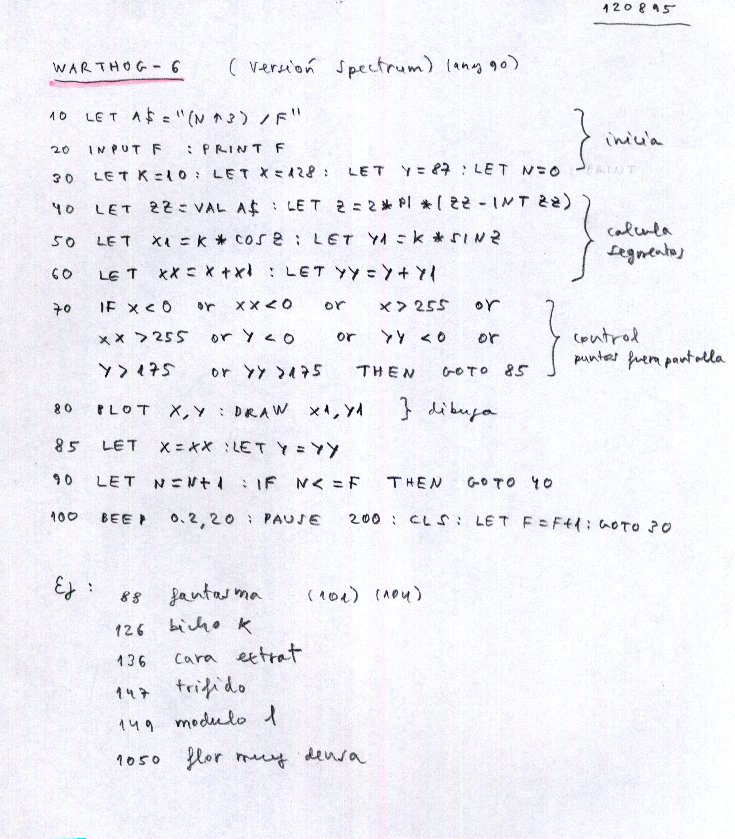
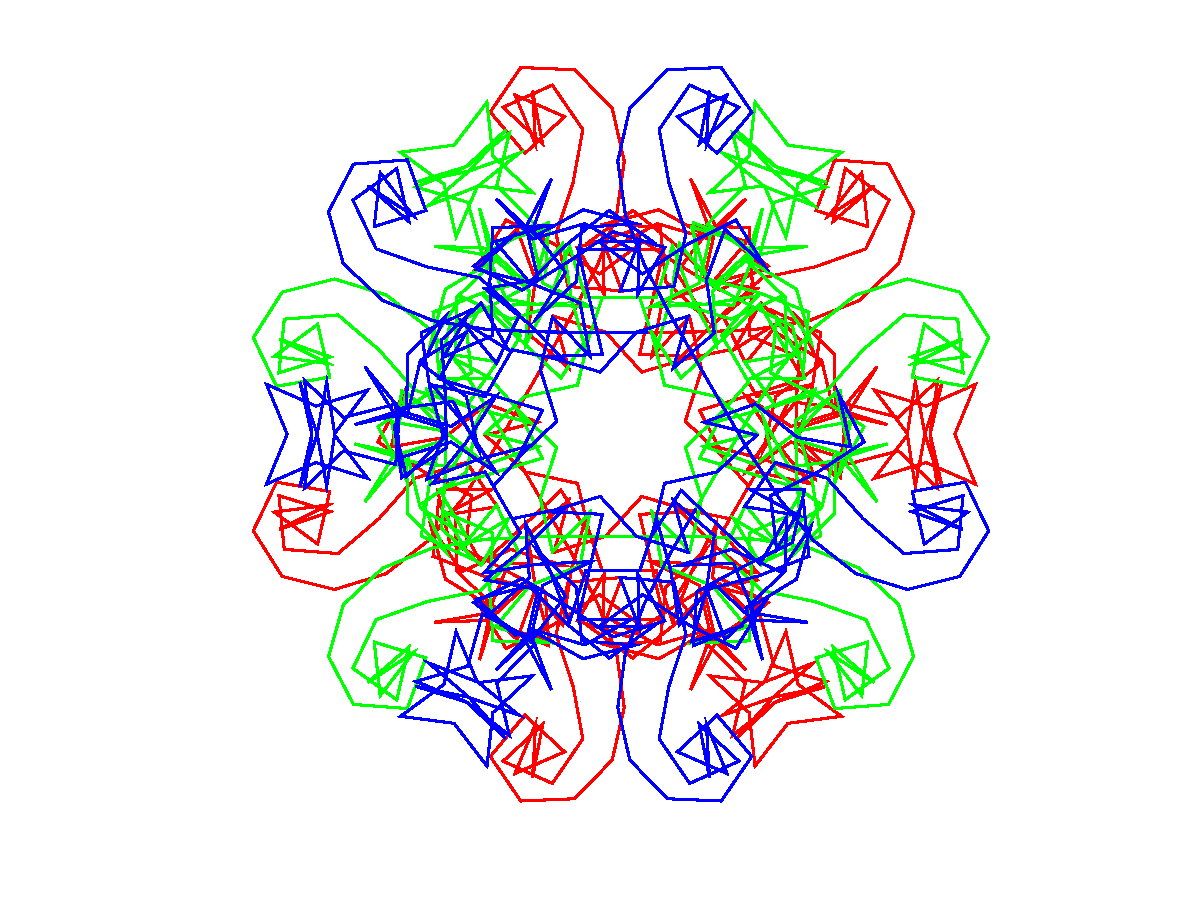
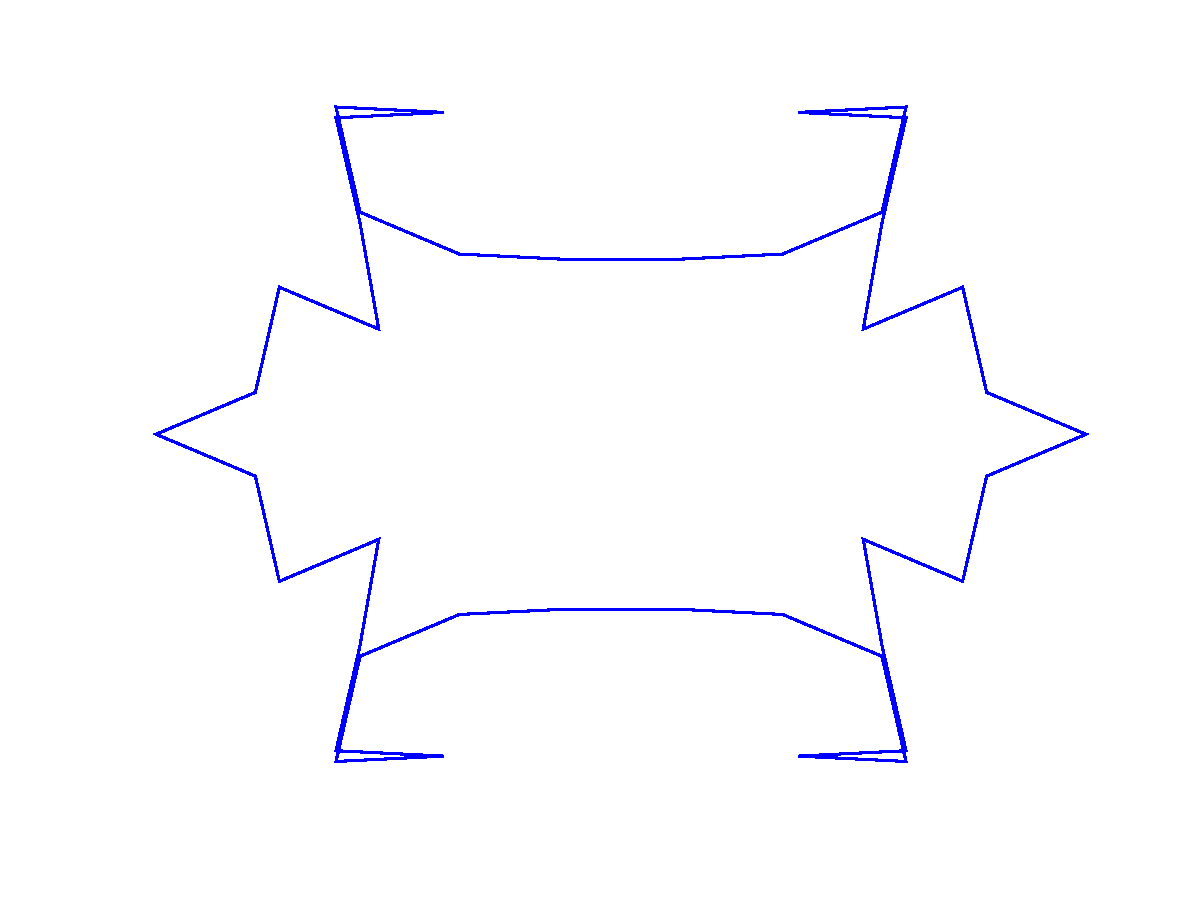
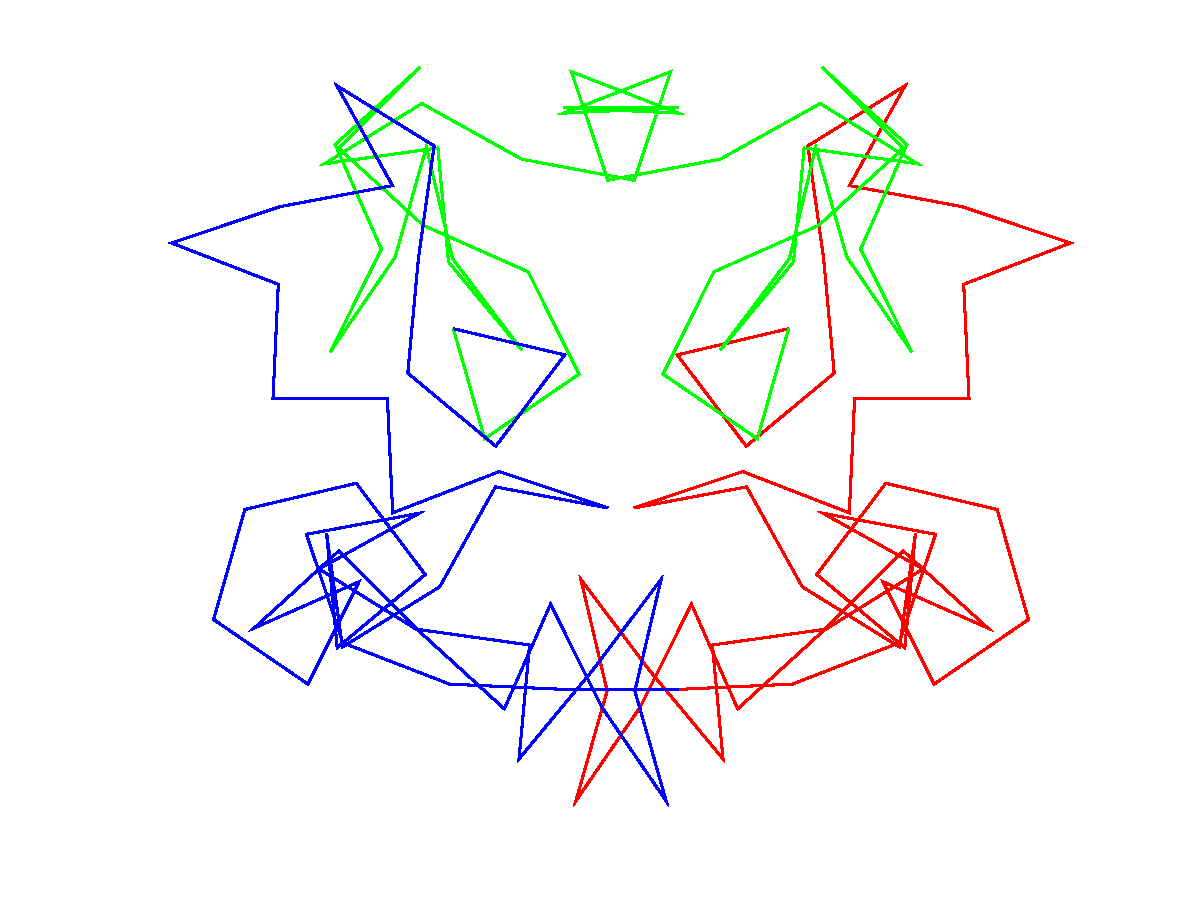
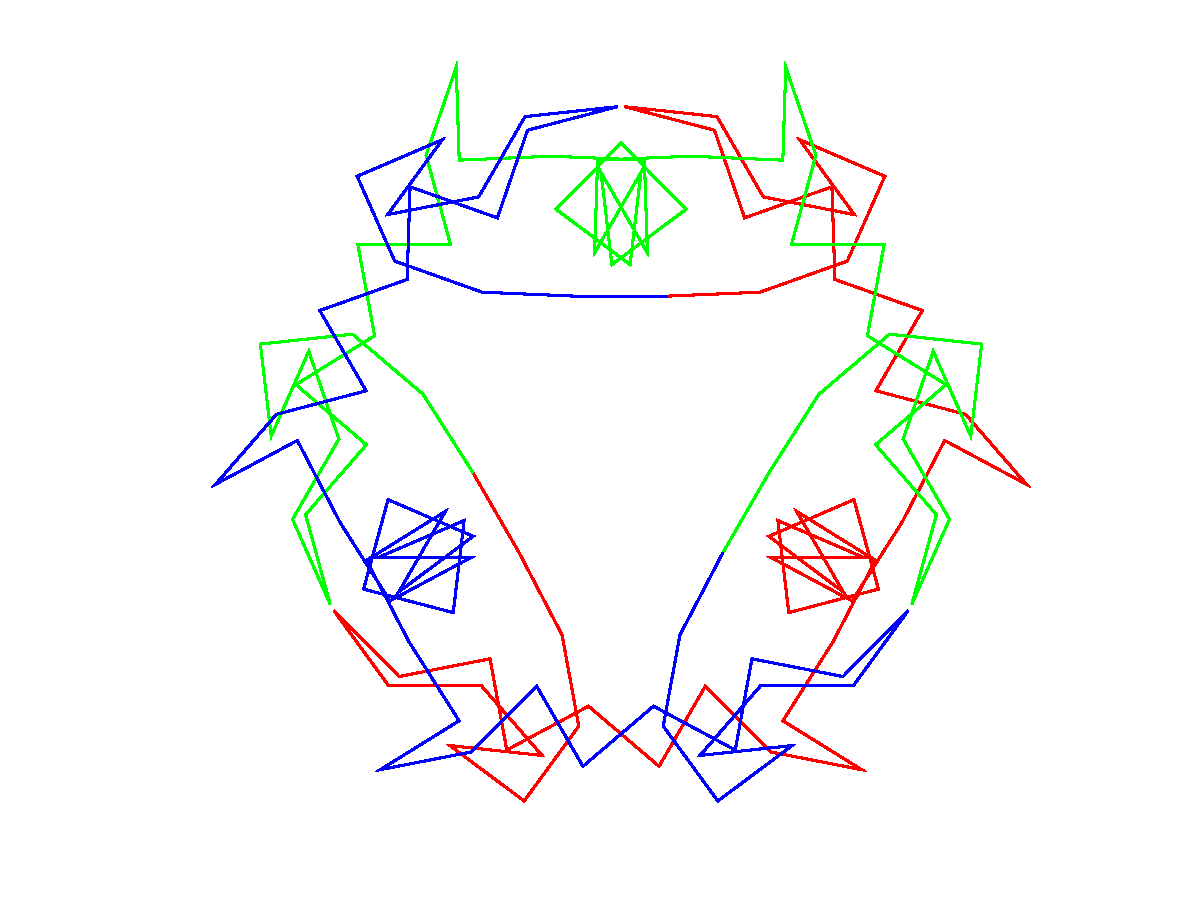
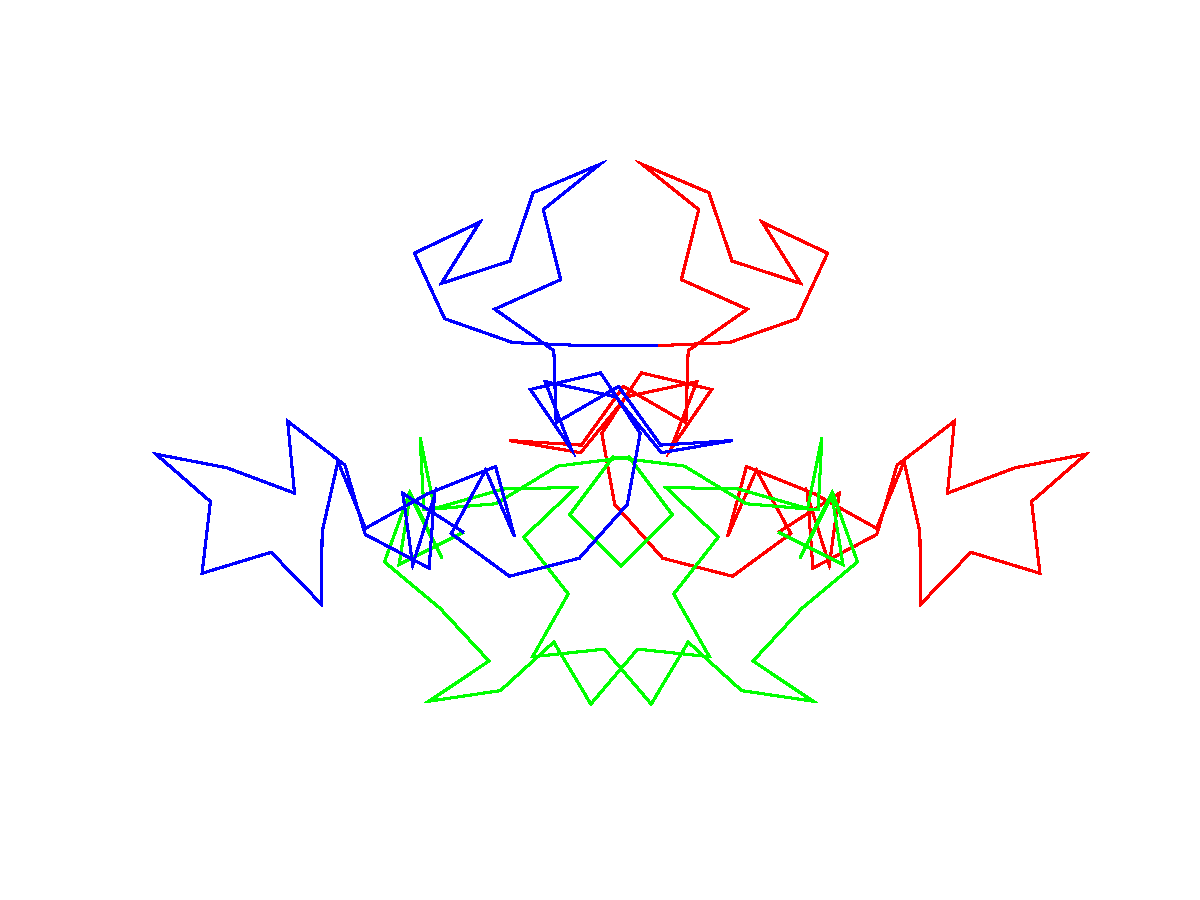
Let F be a natural number. Consider the values N=1,2,3,4,....,F. We will draw a figure formed by F segments of equal length, such that the starting point of each segment is the end point of the previous one, and the bearing of each segment is defined by the fractional value of the function N^3/F. Example: F=3 N=1,2,3 ZZ(N)=(N^3)/3 ZZ(1)=1/3 ZZ(2)=2/3 ZZ(3)=3/3=1 The corresponding bearings (from 0º to 360º) will be Z(1)=120º Z(2)=240º Z(3)=360º and the resulting figure is an equilateral triangle. But we can continue experimenting for F=3,4,5,6,7,8,9,10,... each time we obtain a different figure!
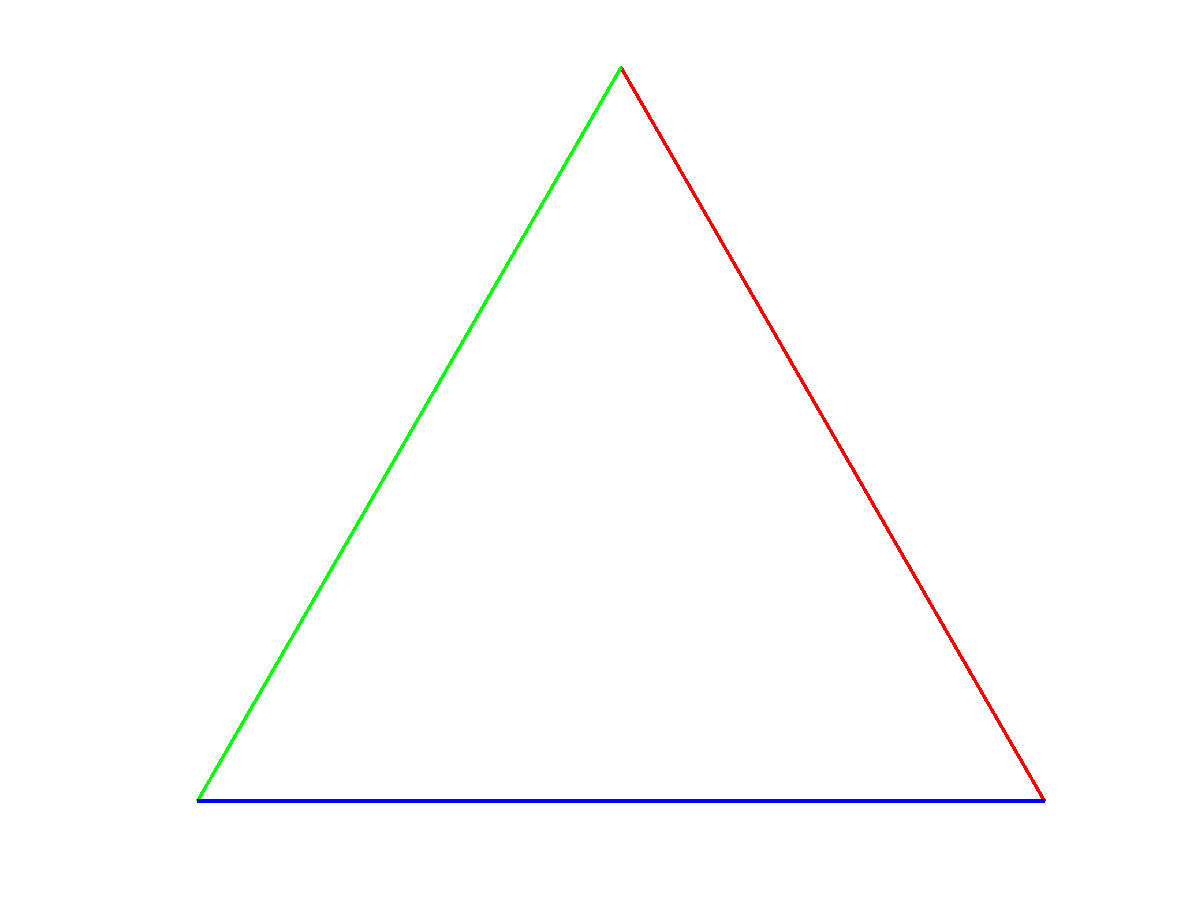
w-003
|
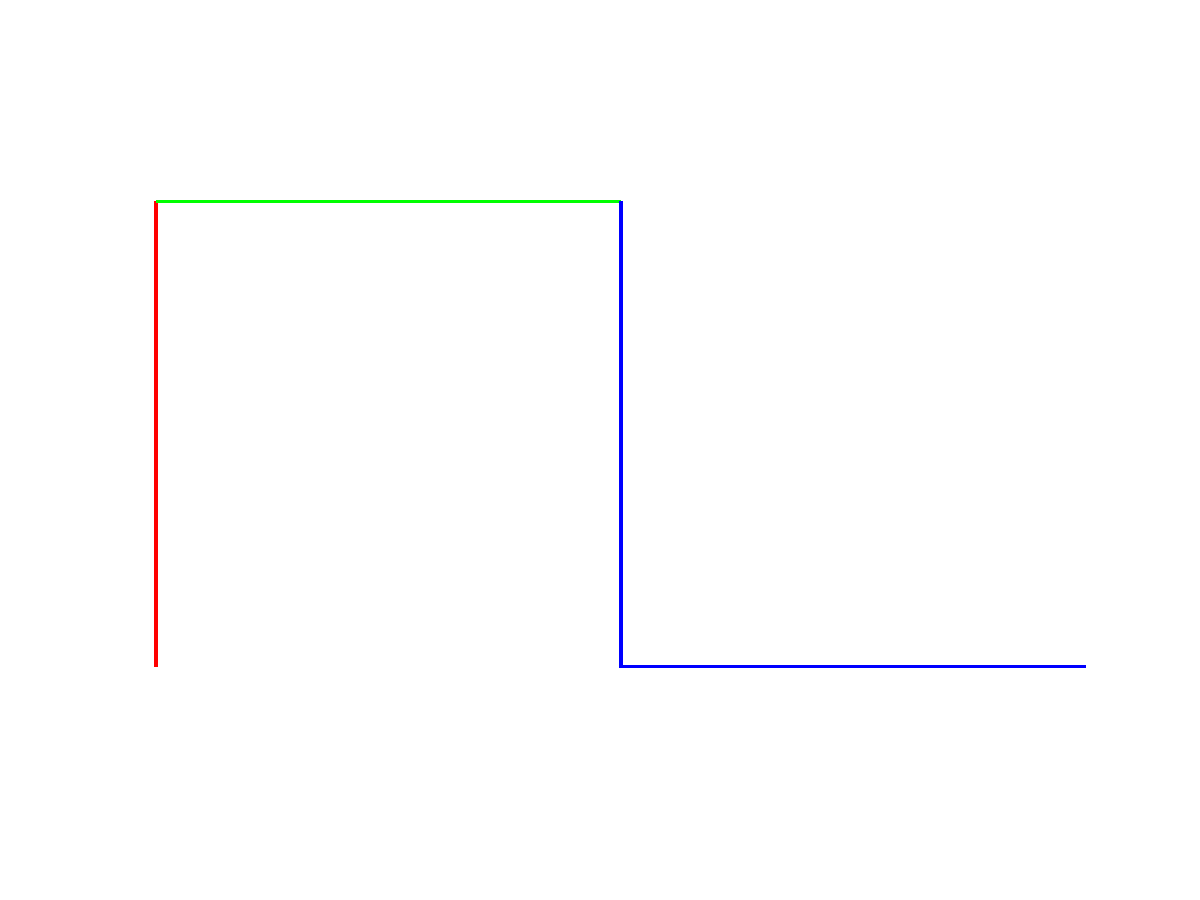
w-004
|
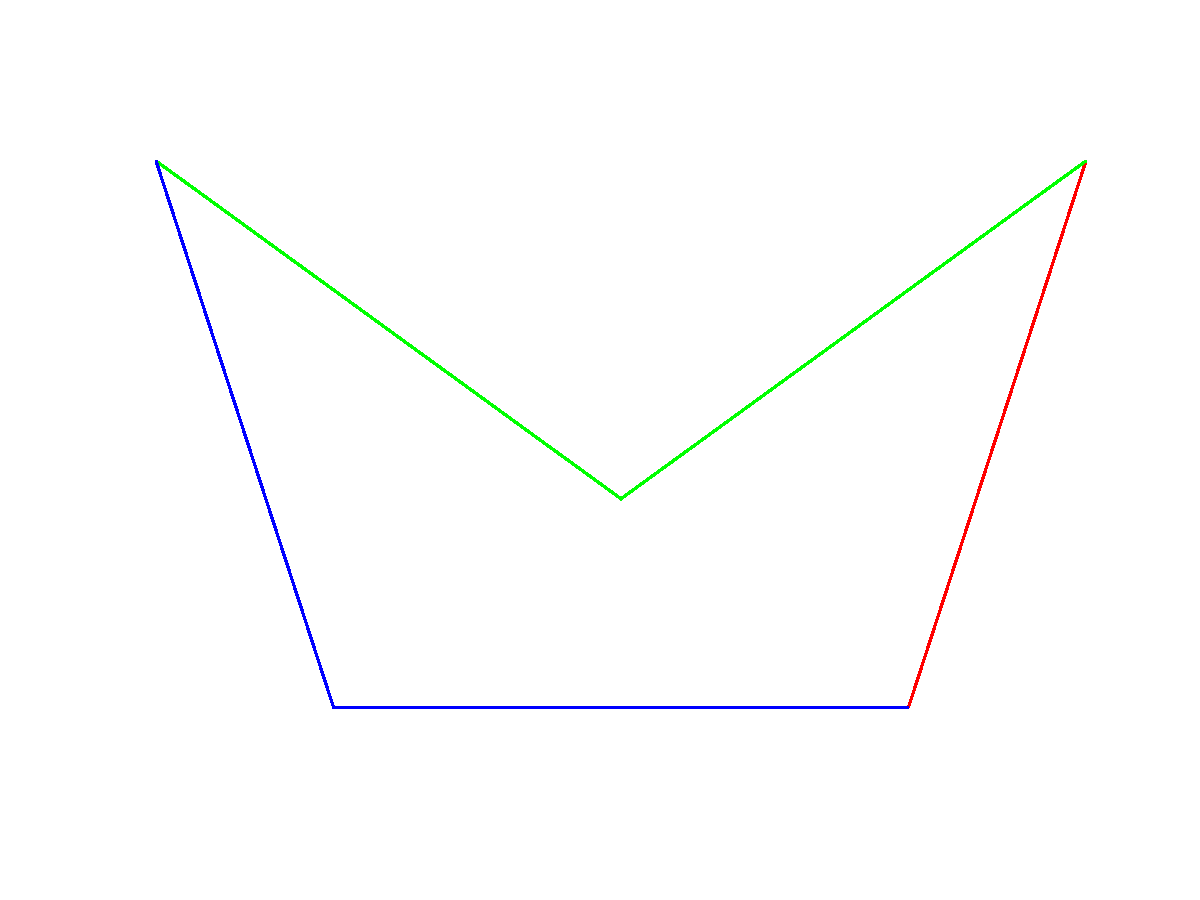
w-005
|
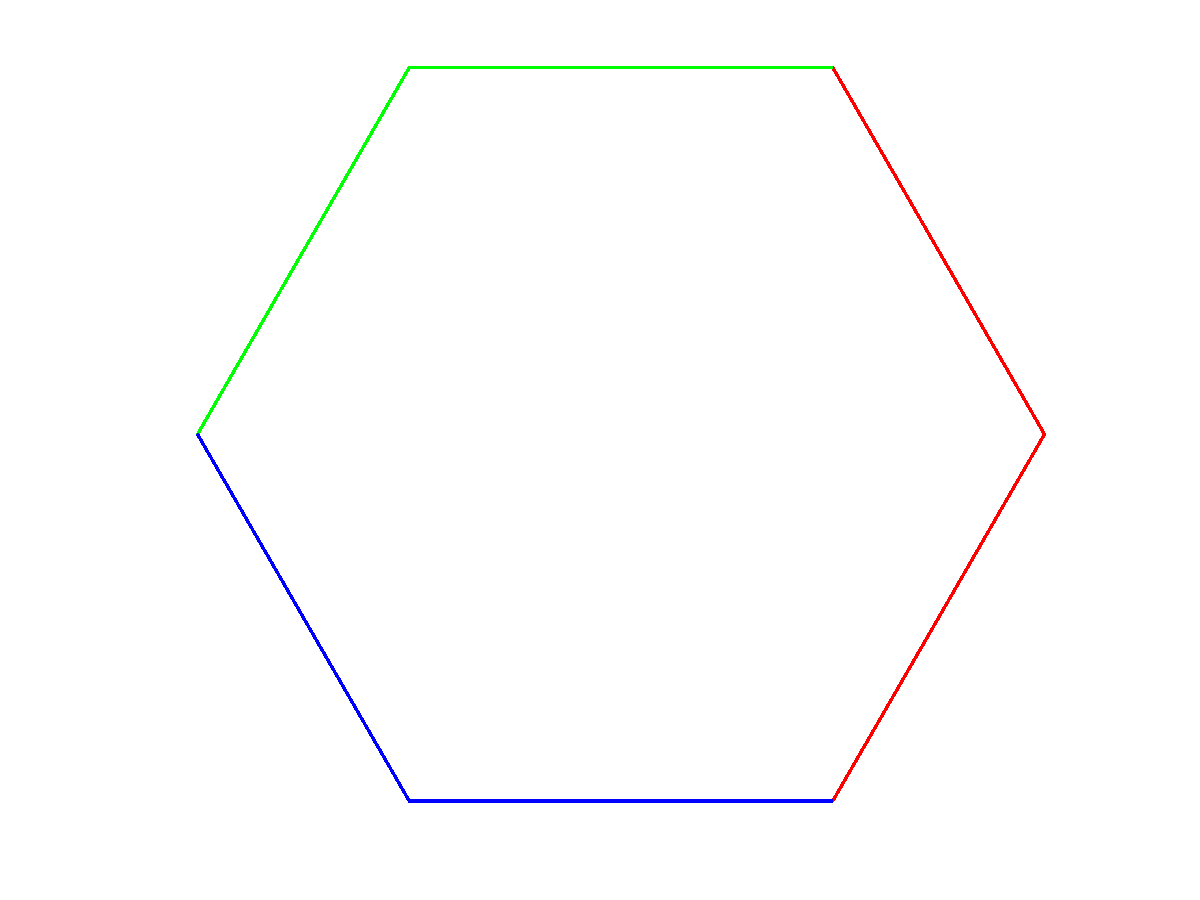
w-006
|
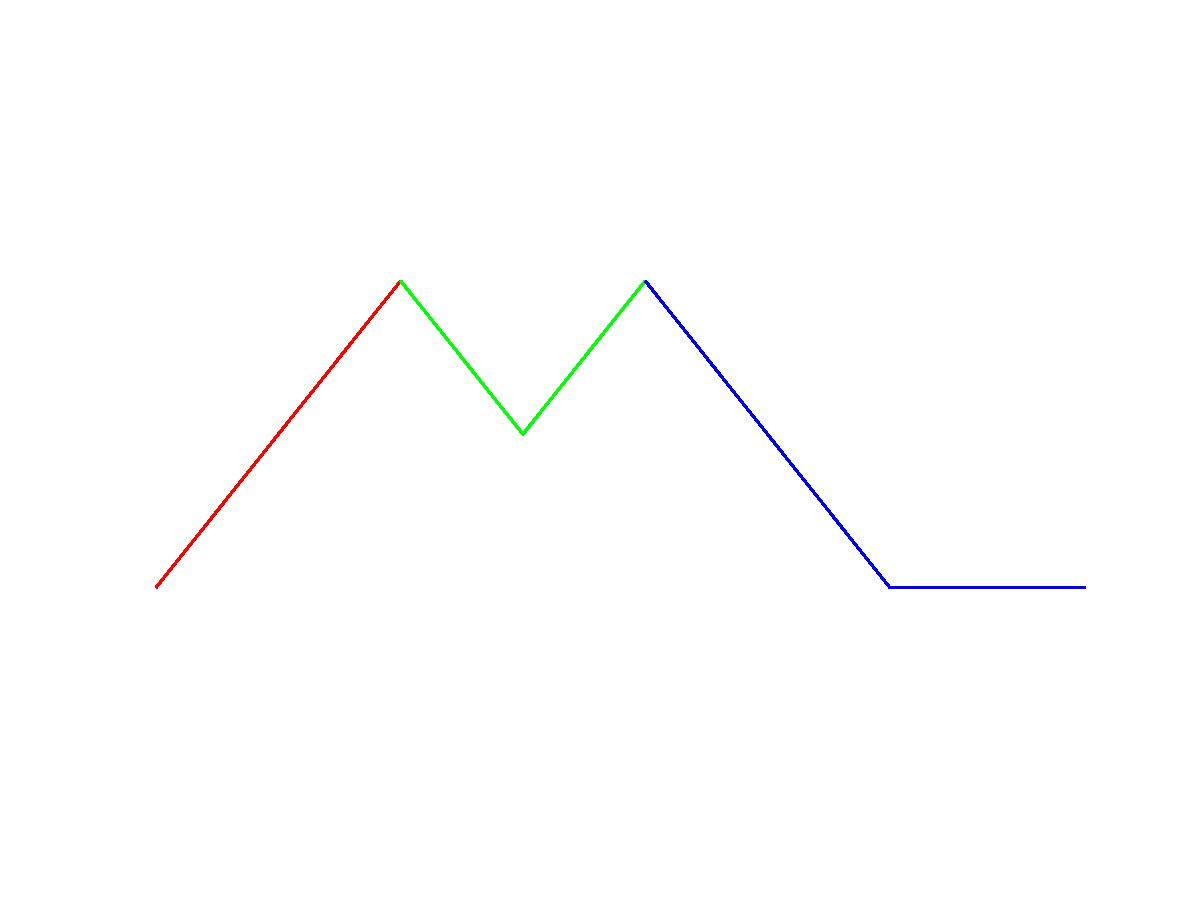
w-007
|
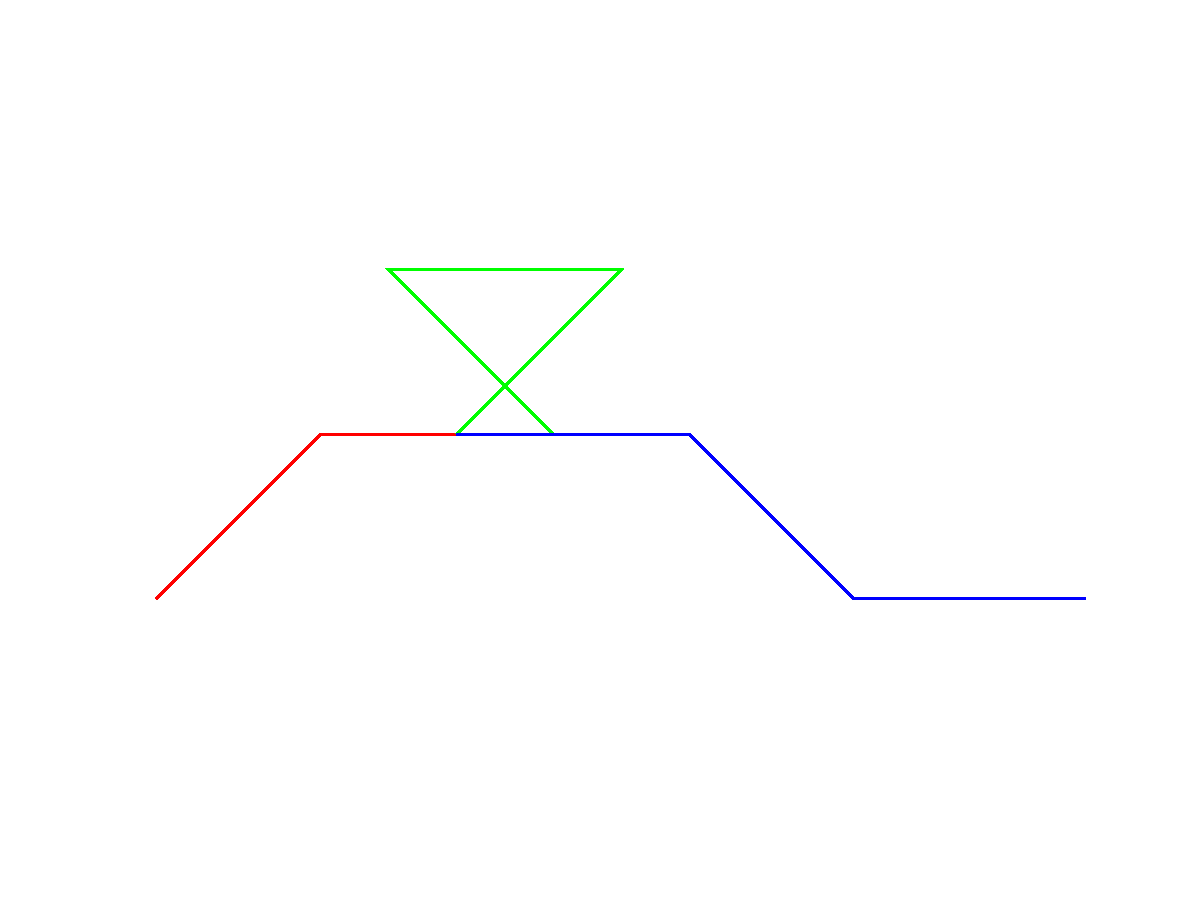
w-008
|
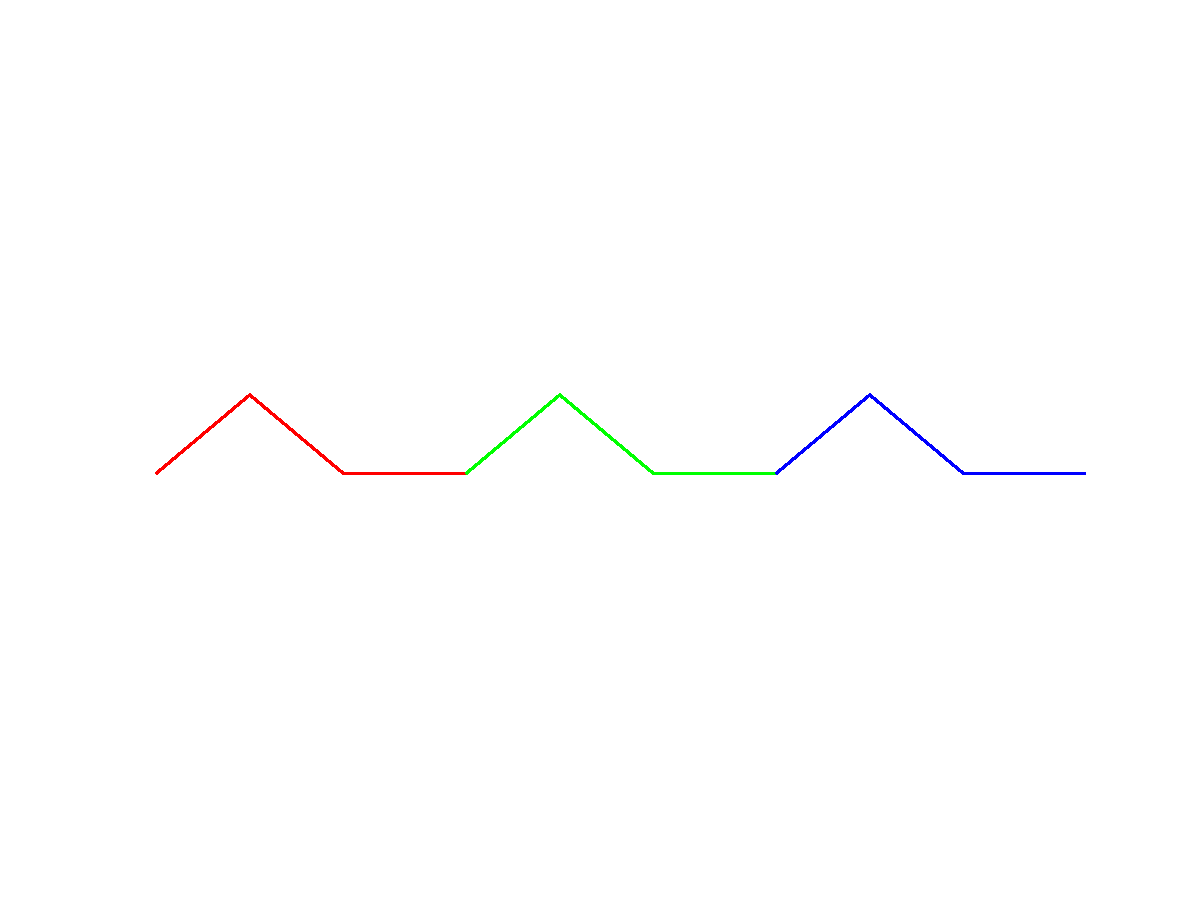
w-009
|
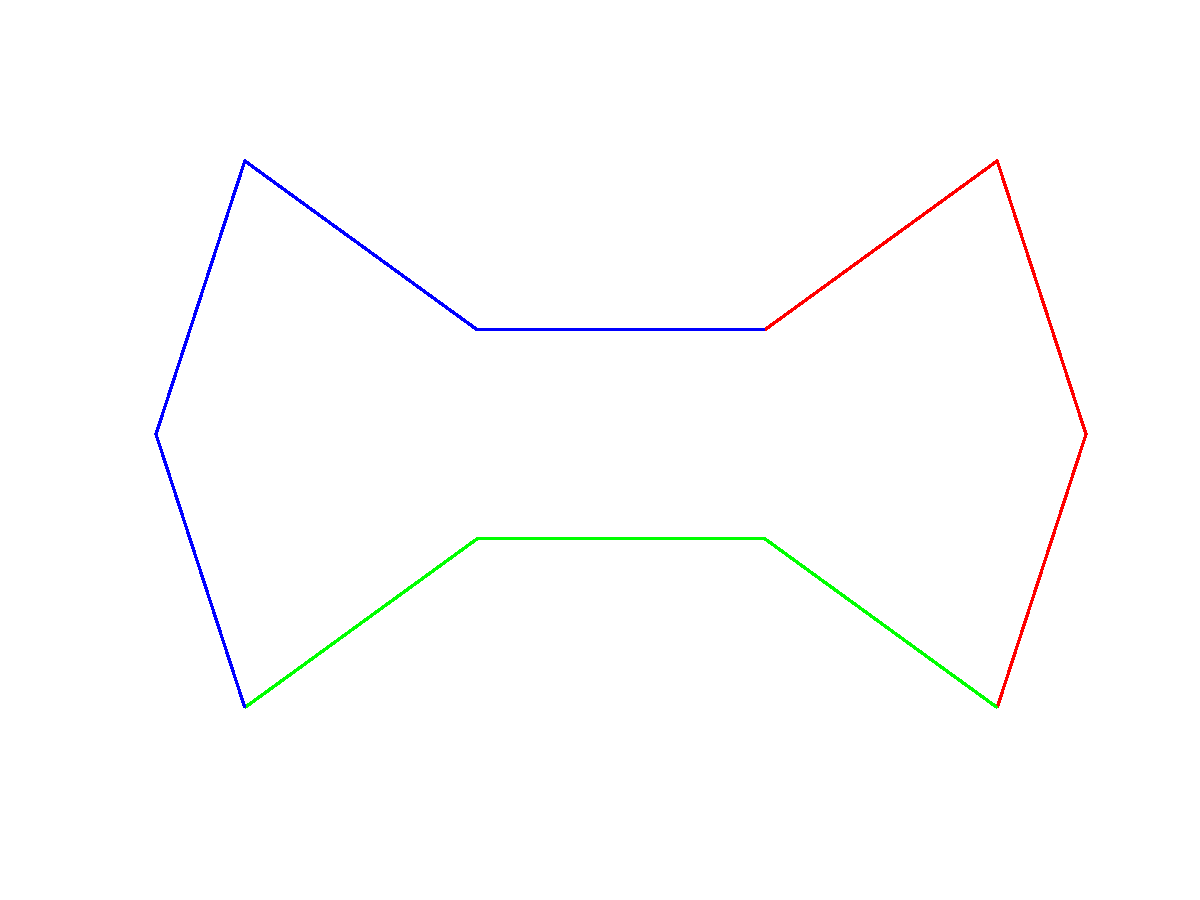
w-010
|
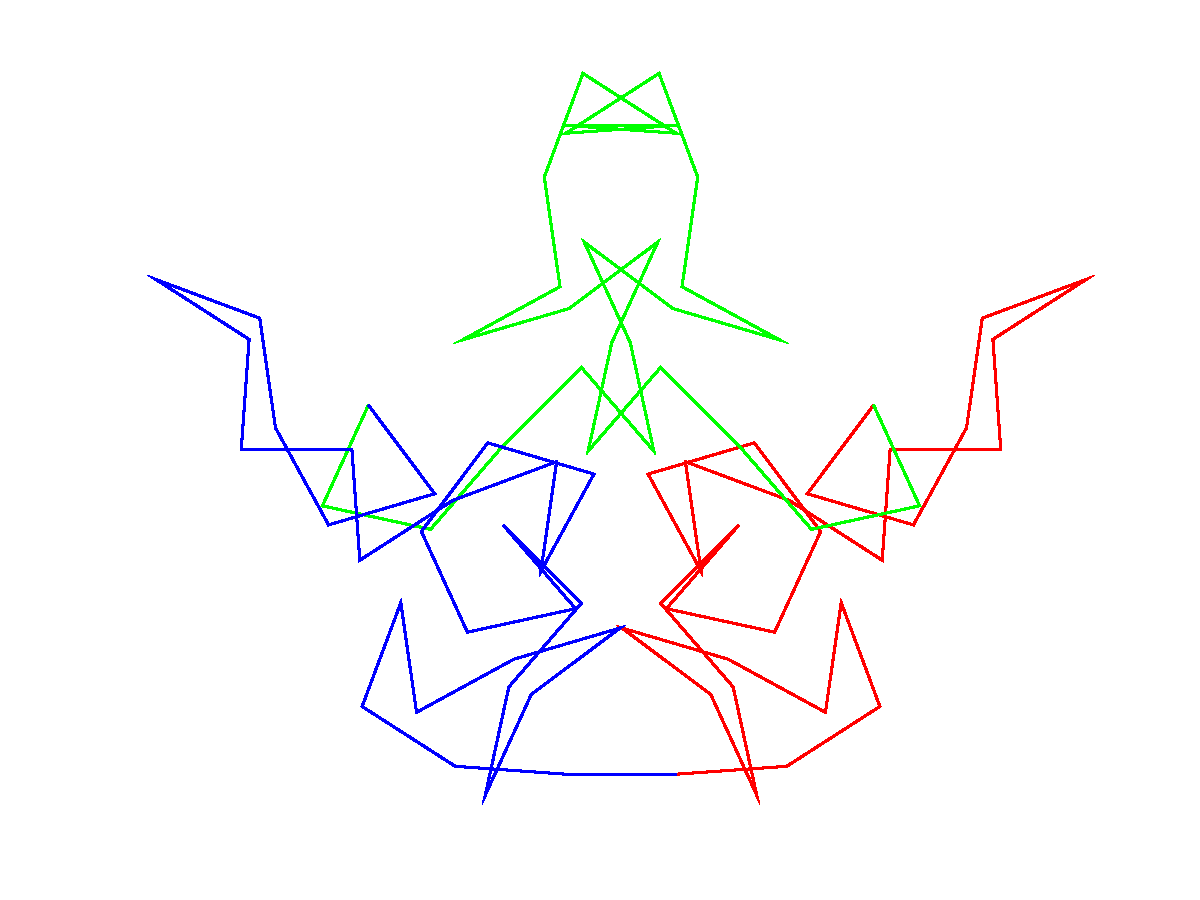
w-088
|
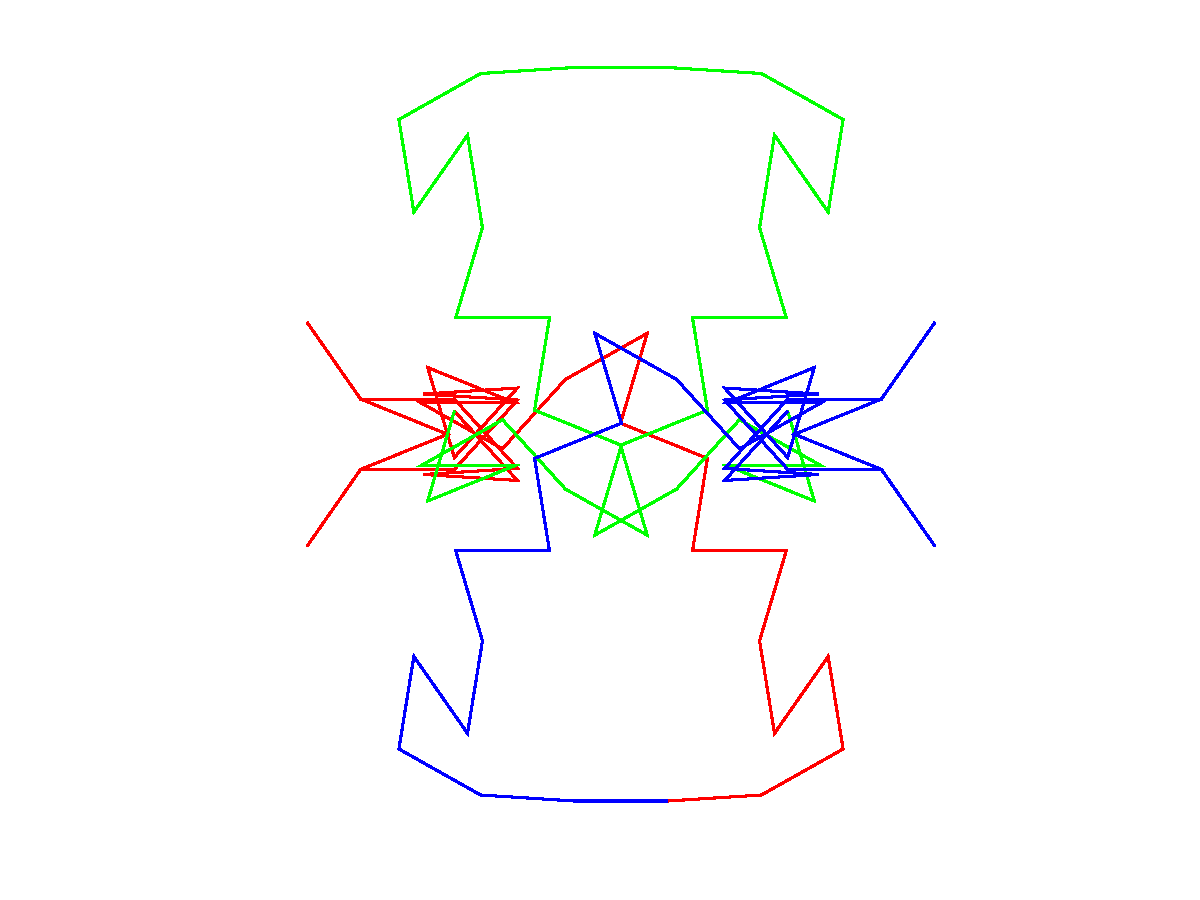
w-098
|
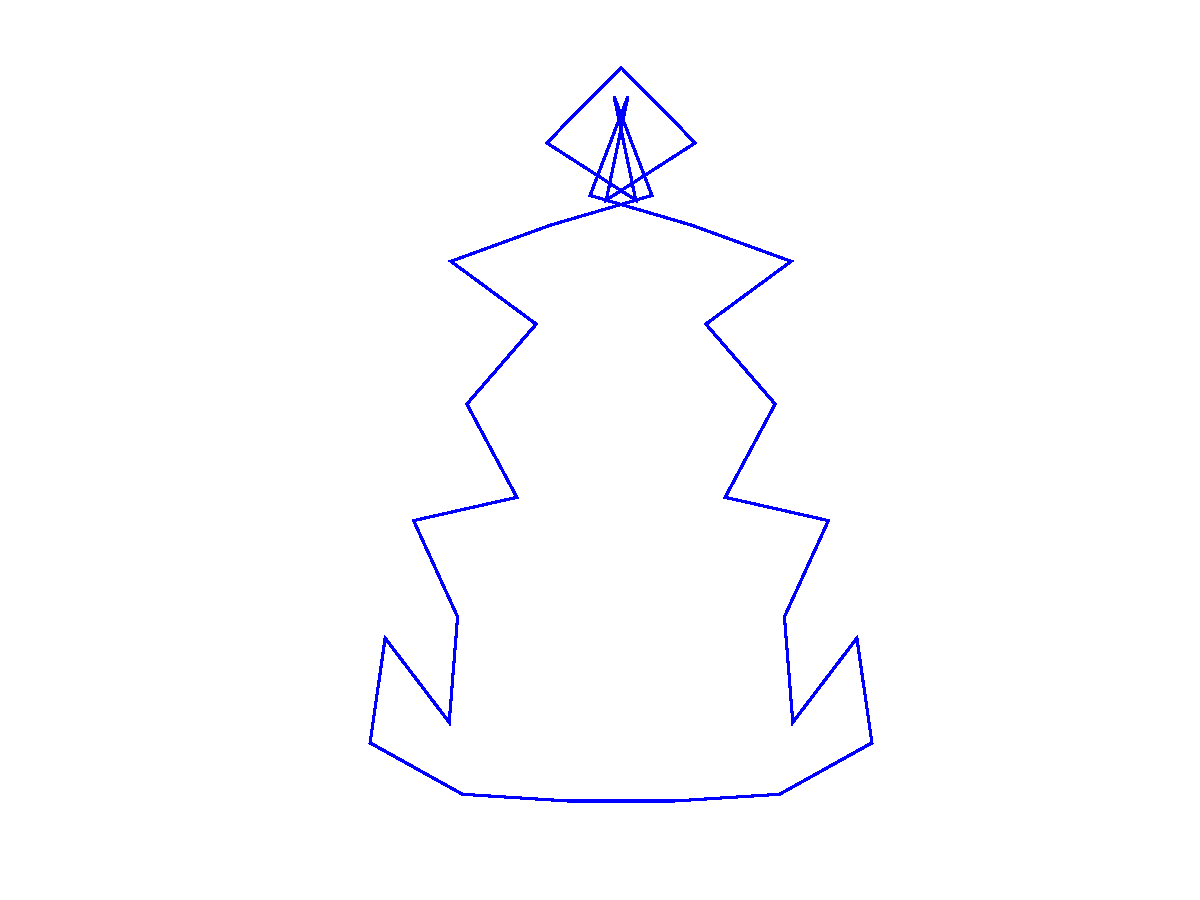
w-099
|
w-1050
|
w-126
|
w-136
|
w-147
|
w-149
|
These figures have been generated with the Warthog for Octave version of the algorithm, but the same result is achieved with the ZX Spectrum. The first third of the segments are coloured red, the second third green, and the last third red, giving a more attractive visual appearance. It is interesting to note how the evolution of the shape of the figures is not progressive. Generally, figure F+1 is not a small variation of figure F. Although each value of F gives a different figure, certain surprising patterns repeat in shape. Some figures laugh at us. The question is, how is it possible that all these figures are hidden inside the function (N^3)/F?